
Because
Science.
An integrative genomics lab, applying machine learning and data-driven approaches to elucidate disease mechanisms.

About
We develop and apply genomic strategies to map molecular processes contributing to the etiology, progression, and treatment of diseases originating in the brain and/or the kidney. We investigate the impact of cell- and tissue-specific gene and transcript regulation and expression, cell-cell communication, and sex-associated molecular changes on disease manifestation.
Through machine learning and data-driven approaches, we identify optimal precision preclinical models to streamline drug targets and repositioning candidates for treating diseases.
Kidney Research • Brain Research • Drug repurposing • Methods & Tools •
Our Team
Our vibrant team is dedicated to making meaningful contributions to the science community through innovative research and collaboration.


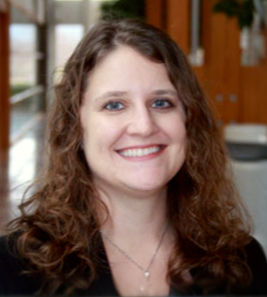
BRITTANY LASSEIGNE, PHD
PRINCIPAL INVESTIGATOR | ASSOCIATE PROFESSOR
Dr. Lasseigne is an Associate Professor in the Department of Cell, Developmental and Integrative Biology with a secondary appointment in the Department of Biomedical Informatics and Data Sceince, and an Associate Scientist in the Precision Medicine Institute (PMI), the Nephrology Research & Training Center (NRTC), Comprehensive Neuroscience Center (CNC), the Center for Neurodegeneration and Experimental Therapeutics (CNET), and the Experimental Therapeutics section of the O’Neal Comprehensive Cancer Center at The University of Alabama at Birmingham (UAB) Heersink School of Medicine.
She previously completed a BS in Biological Engineering at Mississippi State University, an interdisciplinary biology, chemistry, and chemical engineering PhD in Biotechnology Science and Engineering from The University of Alabama in Huntsville (identifying biomarkers and genomic signatures of renal cell carcinoma diagnosis and progression, respectively), and a postdoctoral fellowship in genetics and genomics at the HudsonAlpha Institute for Biotechnology (determining predisposing variants and genes contributing to neurodegenerative disorders).
Brittany is passionate about developing and applying genomics technologies to human diseases and teaching genomics and data science to students and scientists of all backgrounds.
To that end, she also served as the PI, Director, and a student research mentor for the current NHGRI-funded R25 Summer Undergraduate and Postbacc Experiences in Research in Genomic Medicine (SUPER-GM) program, which provided research experiences for students from diverse backgrounds, especially Alabama students attending Historically Black Colleges and Universities (HBCUs).

Senior Computational Biologist
T.C. Howton, PhD
Dr. Howton earned his PhD in Biology from the University of Alabama at Birmingham. During his doctoral studies, T.C. focused on using network-based approaches to elucidate the molecular interactions between plants and bacterial pathogens. T.C. currently serves as a lab manager and research scientist in the Lasseigne lab.

Senior Computational Biologist
Lizzy Wilk
Lizzy earned her B.S. in Biology with a minor in Chemistry from the University of Alabama at Huntsville and M.S. in Biotechnology with a specialization in Bioinformatics from University of Maryland Global Campus. As a staff scientist, she focuses on rare diseases and polycystic kidney disease, leveraging machine learning (ML) and artificial intelligence (AI) to deepen mechanistic understanding of genetic disease variants and prioritize repurposed drug candidates for patients with genetic disorders

Computational Biologist
Tabea Soelter, PhD
Dr. Soelter has a B.S. in Cell and Molecular Biology from Piedmont University and earned her Ph.D. in Cell Biology from the University of Alabama at Birmingham. During her doctoral studies, Tabea investigated the role of altered glia-neuron communication and its downstream effects on gene expression and gene regulation in Alzheimer’s disease using snRNA-seq and network approaches. As a staff scientist, Tabea is working on identifying a transcriptomic exercise signature from mouse hippocampus snRNA-seq data using machine learning approaches, investigating alternative splicing across contexts (i.e., disease and sex) in long-read RNA-seq data, and leading the creation of a harmonized public-domain polycystic kidney disease transcriptomic data hub.

Lab Manager
Cameron McPhail
Cameron earned a B.S. in Biology with a minor in Peace, Justice and Ecology from the University of Alabama at Birmingham. After spending some time in the outdoors industry and cancer genetics, he is now working as the lab manager for the Lasseigne lab.

Computational Scientist Assistant
Tonie Crumley
Tonie holds a bachelor's degree in Computer Science from UAB and works as a staff scientist in the Lasseigne lab. They are currently working on PKD pathway analysis using RNA-Seq data and tools to improve reproducibility in computational science.

Graduate Student
McKay Freeman
McKay is a graduate student in the Pathobiology, Pharmacology, and Physiology theme under the UAB Graduate Biomedical Sciences Program. She has a B.S. in Biology and a B.A. in History from the University of Alabama. Currently, she is working on drug repurposing in ADPKD and examining alternative splicing to improve therapeutic outcomes.

Medical Student
Sasha Taluri
Sasha attends UAB Heersink School of Medicine and holds a B.S. in Genetics and Genomic Sciences from UAB. Previously in the lab, she analyzed genomic instability across different cancers. Currently, she works on various projects related to artificial intelligence-driven drug repurposing for SETBP1- and PKD-associated disorders.

Undergraduate Research Student
Elizabeth Okunbor
Elizabeth is a junior studying Computer Science at UAB, with a minor in Business Administration. She enjoys building full-stack applications using React, React Native, and Python/Flask, with a focus on creating tools that are both practical and user-friendly. She is especially interested in using data and technology to improve health outcomes and expand access to care through research and innovation.

Summer Undergraduate Student
Angela Hjelmeland
Angela is an undergraduate student at the University of Georgia pursuing a B.S. in Statistics with a minor in Spanish. Through summer research with the Lasseigne Lab, she has worked with RNA-seq and genomic datasets using computational approaches. She is currently working on target prioritization and drug repurposing.
Alumni
Amanda Clark, PhD (2022-2025)
Post-doctoral Fellow
Mualla Eraslan (2024-2025)
Lab Manager
Emma Jones, PhD (2021-2024)
Graduate Student
Currently: Postdoctoral Fellow at Washington University
Vishal Oza, PhD (2020-2024)
Scientist II
Currently: Computational Biologist in Pathology at UAB
Jordan Whitlock, PhD (2020-2023)
Graduate Research Assistant
Currently: Board Advisor at SETBP1 Society
Jen Fisher, PhD (2020-2023)
Graduate Research Assistant
Currently: Computational Biologist at CFD Research
Rebekah Beyea (2023)
KURE Summer Student
Currently: Undergraduate Student at UAB
Nathanial Devoss (2022-2023)
Undergraduate Research Assistant
Currently: Undergraduate Student at UAB
Anisha Haldar (2020-2023)
Undergraduate Research Assistant
Currently: Medical Student at UABHSOM
Avery Williams (2019-2023)
Undergraduate Research Assistant
Currently: Graduate Student at UCSD
Ryan Brownlee (2022)
KURE Summer Student
Currently: Undergraduate Student at Mercer University
Hannah Cleary (2020-2023)
KURE Summer Student
Currently: Medical Student at University of Kentucky
Emily Page (2020-2021)
Grad Prep Scholar
Currently: Graduate Student at UAB
Kasi McPherson, PhD (2020-2021)
Postdoctoral Fellow
Currently at Evolution Research Group
Drew Hardigan, MD, PhD (2020)
Postdoctoral Fellow
Currently: Neurosurgery Resident at Duke University
Roshan Darji (2019)
Computational Biology
Currently at ConstructConnect